Introduction
The demand for AI-powered visual content has grown rapidly, and clothes remover tools are becoming increasingly popular among online creators. Instead of spending hours on manual editing, creators now use AI systems to generate transformed visuals quickly and efficiently. This has made content creation easier for beginners who want to build content workflows without advanced editing skills.
Today, many creators use ai clothes remover tools to create teaser content, themed image collections, and promotional visuals for subscription-based platforms like OnlyFans and Fansly. These workflows are often combined with social media traffic strategies to attract users and redirect them toward premium content pages.
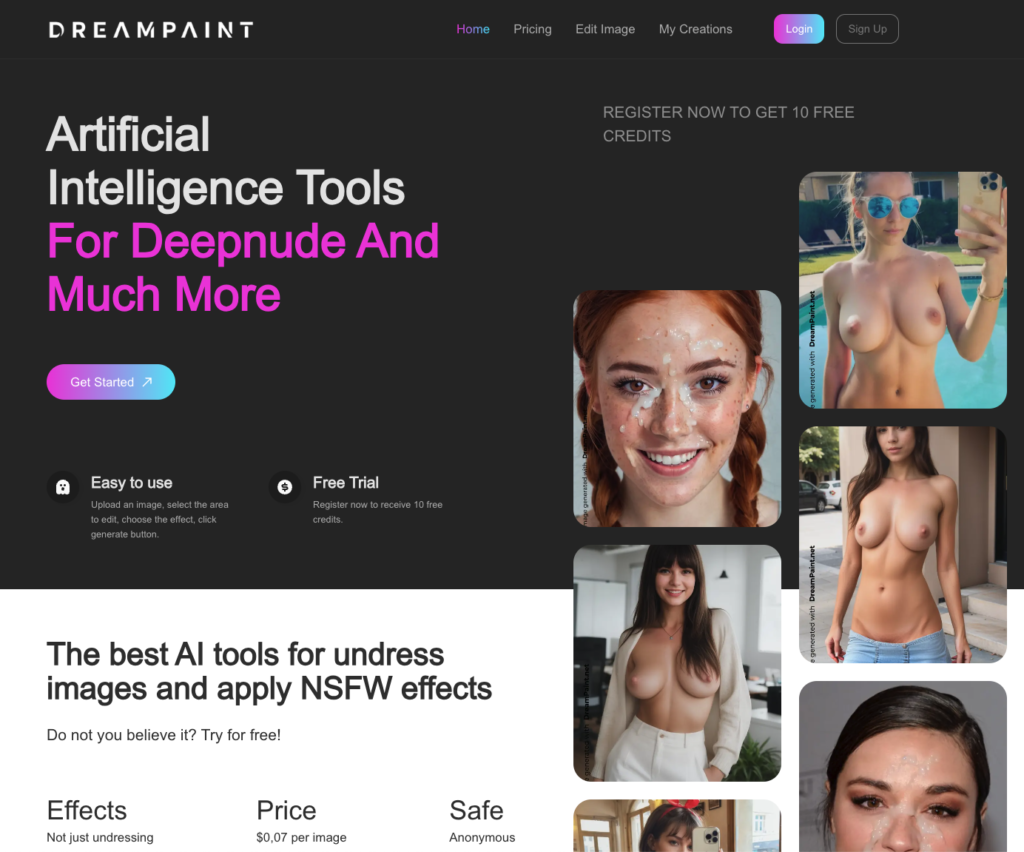
The rise of beginner-friendly platforms like Dreampaint has also simplified AI-based image transformation by allowing users to generate different visual styles without complex software or technical experience.
In this article, we’ll explore how creators use clothes remover ai tool platforms for content creation, audience growth, and monetization workflows in 2026.
What Is a Clothes Remover Tool?
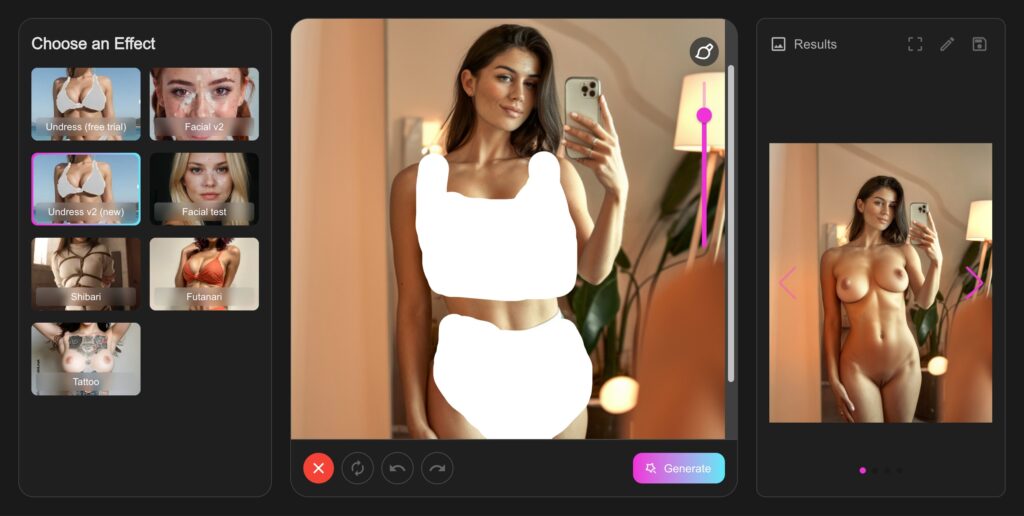
A clothes remover tool is an AI-powered platform that transforms uploaded images using automated image-processing technology. Instead of manually editing photos in complex software, users can upload an image, select an effect, and let the AI generate the transformed result automatically.
Modern ai clothes remover platforms are designed to simplify content creation by reducing manual work and speeding up production workflows. Many creators use these tools to generate multiple content variations for social media promotion and subscription-based platforms.
How AI-Based Image Transformation Works
Most clothing eraser tools use trained AI models to analyze image patterns, textures, and visual structures before generating transformed outputs. This automation allows creators to produce content much faster compared to traditional editing methods.
Platforms like Dreampaint also offer multiple transformation styles, helping creators experiment with different types of AI-generated visual content.
Why AI Automation Is Replacing Manual Editing
Traditional editing software often requires advanced skills and time-consuming manual adjustments. In comparison, ai clothes remover tools automate most of the workflow, allowing creators to generate content within seconds.
This speed and simplicity make AI tools especially popular among beginners and creators managing large-scale content production.
Difference Between Traditional Editing and AI Tools
Traditional editing provides more manual control but requires technical expertise and longer editing time. AI-based clothes remover platforms focus on automation, speed, and ease of use.
For creators who prioritize fast content production and consistent uploads, AI tools have become a more practical solution than traditional editing software.
Why Creators Are Using AI Clothes Remover Tools
Creators are increasingly adopting ai clothes remover online platforms because they significantly reduce the time and effort required to produce visual content. Instead of relying on traditional editing workflows, many now prefer an ai clothing removal app that automates most of the process and delivers fast results.
One of the main reasons behind this shift is efficiency. Tools often labeled as the best clothes remover solutions allow users to generate content in bulk, making it easier to maintain consistent posting schedules across multiple platforms. This is especially useful for creators managing multiple accounts or content niches at the same time.
Another key advantage is low-effort scalability. With AI-based tools, a single image can be transformed into multiple variations within minutes. This supports bulk image generation and helps creators build larger content libraries without spending extra time on manual editing.
These tools are also highly beginner-friendly. Even users with no editing background can quickly learn how to generate and organize content, which lowers the entry barrier for new creators entering the space. As a result, AI-driven workflows are becoming a standard part of modern content production systems.
How Creators Use Clothes Remover Tools for Content Creation
Creators use ai clothes remover tools as part of structured workflows to produce and distribute content across different platforms. In many cases, simple images are transformed into multiple variations using ai take off clothes style effects, which are then organized for different content strategies.
These workflows often include removing clothes from pictures to create base variations, which are later refined into different formats depending on the platform. Tools sometimes referred to as cloth off ai help automate this process and reduce manual effort.
Creating Preview Content for Subscription Platforms
A common use case is generating preview content for subscription-based platforms like OnlyFans and Fansly. Creators share limited previews to attract interest while keeping full content behind paywalls.
Building Content Libraries From One Image
Many creators start with a single image and use AI tools to generate multiple variations. This helps in building a large content library quickly without needing repeated photoshoots or manual edits.
Creating Different Visual Styles and Variations
AI tools allow creators to experiment with different styles, lighting effects, and transformations. This makes it easier to target different audience preferences using the same base content.
Using Teaser Content for Audience Engagement
Teaser content is widely used on social platforms to drive engagement. Creators often post partial or blurred visuals to encourage users to visit their main profiles or subscription pages.
Organizing Content for Daily Uploads
To maintain consistency, creators organize generated content into categories and schedule daily uploads. This ensures continuous engagement and helps improve visibility across platforms.
Popular Platforms Creators Use for Monetization
Creators who use AI-based content workflows usually distribute their content across multiple platforms to maximize reach and income. The strategy is not limited to creation only — distribution and traffic generation play a key role in monetization.
Subscription Platforms
A major revenue source for creators comes from subscription-based platforms where users pay for exclusive content access. These platforms are commonly used in combination with AI-generated content workflows.
Popular examples include OnlyFans, Fansly, and Fanvue. These platforms allow creators to earn through monthly subscriptions, paid content unlocks, and direct fan support.
The key advantage here is recurring income. Once a creator builds a loyal audience, these platforms can generate consistent monthly revenue based on engagement and content quality.
Social Platforms for Traffic
Alongside monetization platforms, creators rely heavily on social channels to drive traffic. Platforms like Reddit, Telegram, and X are commonly used to share previews, teasers, and short-form content.
These platforms are not typically used for direct monetization but act as traffic sources. Creators post engaging snippets to attract users and redirect them toward subscription pages or premium content.
How Traffic Funnels Work
Most successful creators follow a simple but effective funnel system to convert audience attention into revenue:
Social Media → Preview Content → Subscription Platform
In this model, social platforms are used to generate interest, preview content is used to build curiosity, and subscription platforms are used to complete the monetization process. This structured approach helps creators scale their audience while maintaining consistent income streams.
Content Workflow Used by AI Creators
AI-based creators usually follow a structured workflow to produce consistent and scalable content. The process is built around automation tools like a clothes remover tool, which helps convert a single image into multiple usable variations for different platforms. Instead of manual editing, creators rely on systems like erase clothes photo features and img clothes remover tools to speed up production and maintain output quality.
This workflow is not random — it is designed for repetition, scalability, and multi-platform distribution, especially for creators managing large content libraries.
We also covered the complete earning system and monetization setup in our beginner guide for AI content creators.
Choosing High-Quality Images
The first step in any workflow is selecting high-quality base images. Clear lighting, sharp resolution, and proper framing are essential because AI tools perform better when the input image is clean and detailed. Poor-quality inputs usually result in weaker outputs, which reduces overall content value.
Using AI Effects and Transformations
Once images are selected, creators apply different AI effects using clothes remover tool systems. These transformations help generate multiple variations from a single image. Users can add various effects like undress, doggy style, cumshot, and blowjob to the same image, creating a diverse range of videos from a single source.
Scheduling Content Uploads
After content is generated, it is organized and scheduled for consistent posting. Regular uploads help maintain visibility and engagement across platforms. Many creators prepare content in advance and schedule posts to keep their profiles active even during non-working days.
Reusing Content Across Multiple Platforms
A key part of the workflow is content repurposing. Creators reuse the same AI-generated outputs across different platforms with slight variations in captions or presentation. This allows them to maximize reach without increasing production effort, making the entire system more scalable and efficient.
Best Features to Look for in a Clothes Remover Tool
When choosing a modern AI clothes remover platform, users usually focus on performance, ease of use, and output quality. Many tools promoted as best free ai clothing remover options or clothing remover ai free services vary a lot in results, so it’s important to understand what actually matters before selecting a platform.
A reliable clothing remover site should not only generate fast results but also ensure strong user privacy and data protection. High-quality tools go beyond basic image processing — they respect user data, avoid unnecessary storage, and maintain secure handling of uploaded content. For example, platforms like Dreampaint are designed to process images securely, where uploaded files are not shared with third parties and are automatically deleted after a limited time period, ensuring better control over user privacy.
Key features to look for include realistic output quality, which ensures that generated images look natural and usable for content workflows. Fast processing is another important factor, especially for creators who work with bulk content generation. In addition to that, privacy-focused handling of user data is becoming a key standard, where platforms ensure secure processing and temporary storage of uploaded images.
Modern tools also benefit from browser-based access, meaning users don’t need to install software and can work directly online. Some platforms offer free credits, which help beginners test features before committing. Mobile compatibility is equally important since many creators now manage content directly from smartphones.
Can AI Remove Clothes From Photos?
The idea behind tools like can ai remove clothes from photos is based on advanced AI image transformation models. These systems analyze visual patterns, body structure, and textures to generate modified versions of uploaded images. However, the process is not a simple “removal” — it is more about prediction and reconstruction using trained datasets.
Some users also search for is there an app that can remove clothes or remove clothes from pictures, expecting direct editing results. In reality, AI tools work by interpreting image context and generating new visual outputs rather than directly altering specific parts of an image like traditional editing software.
The effectiveness of these tools depends heavily on image quality. Clear, high-resolution images usually produce better and more stable results, while low-quality inputs can reduce accuracy. Another important factor is realism — AI-generated outputs may vary depending on lighting, angle, and model limitations.
It’s also important to understand that AI image transformation systems have limitations. They are not perfect and may produce inconsistent results depending on the complexity of the image. This is why many creators experiment with different inputs to achieve more reliable outputs for their content workflows.
Trending AI Effects and Visual Styles
Undress Ai:
This is an effect where you can easily undress any picture with just a few clicks. It is both natural and very popular for content creation. You can use it to generate realistic images and videos, making it a versatile tool for various platforms.
Massage Her Tits – Behind
In this effect, you can undress any girl image and add a massage effect to the tits, viewed from the back. This feature is highly appreciated on platforms like Onlyfans because it adds a unique touch to the content. It is particularly favored by users who enjoy seeing massage effects from a different perspective.
Massage Her Tits – Front
Similar to the behind effect, one allows you to undress an image and add a massage effect to her tits, but viewed from the front. It is gaining popularity on Onlyfans and Fansly, with users showing a strong preference for this style. The front-view massage effect offers a different visual experience, enhancing the appeal of the content.
Dreampaint
These effects are all available on dreampaint, a platform that offers a wide range of AI-powered image and video creation tools. Dreampaint is known for its ease of access and affordable pricing, making it a go-to choice for content creators looking to experiment with new visual styles. The platform provides a seamless experience, allowing users to explore and apply these effects effortlessly.
Common Mistakes Beginners Make
Many beginners entering AI-based content creation make avoidable mistakes that slow down their growth and reduce overall performance. Even when using tools like a clothes remover tool or other AI content systems, success mainly depends on strategy and consistency rather than just tool usage.
One of the most common issues is inconsistent posting. Irregular uploads make it difficult to build an audience or maintain engagement, especially on platforms where visibility depends on activity frequency.
Another major mistake is poor content organization. Without a clear structure, creators often struggle to manage their AI-generated outputs, which leads to wasted content and inefficient workflows.
Random niche targeting is also a problem. Many beginners try multiple directions at once instead of focusing on a specific content style or audience, which weakens their overall growth strategy.
Relying on only one platform is another limiting factor. Successful creators usually distribute their content across multiple channels to maximize reach and traffic opportunities, rather than depending on a single source.
Lastly, low-quality image uploads significantly affect results. AI tools perform better with clear, high-resolution inputs, and poor-quality images usually lead to weaker outputs and reduced engagement.
Avoiding these mistakes helps beginners build a more stable, scalable, and effective content creation system over time.
Final Thoughts
AI-powered tools like clothes remover and ai clothes remover platforms have significantly changed the way digital content is created and managed. What once required time-consuming manual editing can now be achieved through automated systems, allowing creators to focus more on strategy and audience growth instead of technical work.
Today, tools like Dreampaint often referred to as clothing eraser solutions are helping creators simplify their workflows and produce content at a much faster scale. This shift is not just about convenience, but about building efficient systems that support consistent output across multiple platforms.
As the creator economy continues to grow, success is increasingly dependent on consistency, planning, and smart use of AI tools. Creators who follow structured strategies and maintain regular content production are better positioned to scale their reach and build sustainable income streams.
Overall, AI is not replacing creativity—it is enhancing it by making content workflows more accessible, scalable, and efficient for everyone involved.