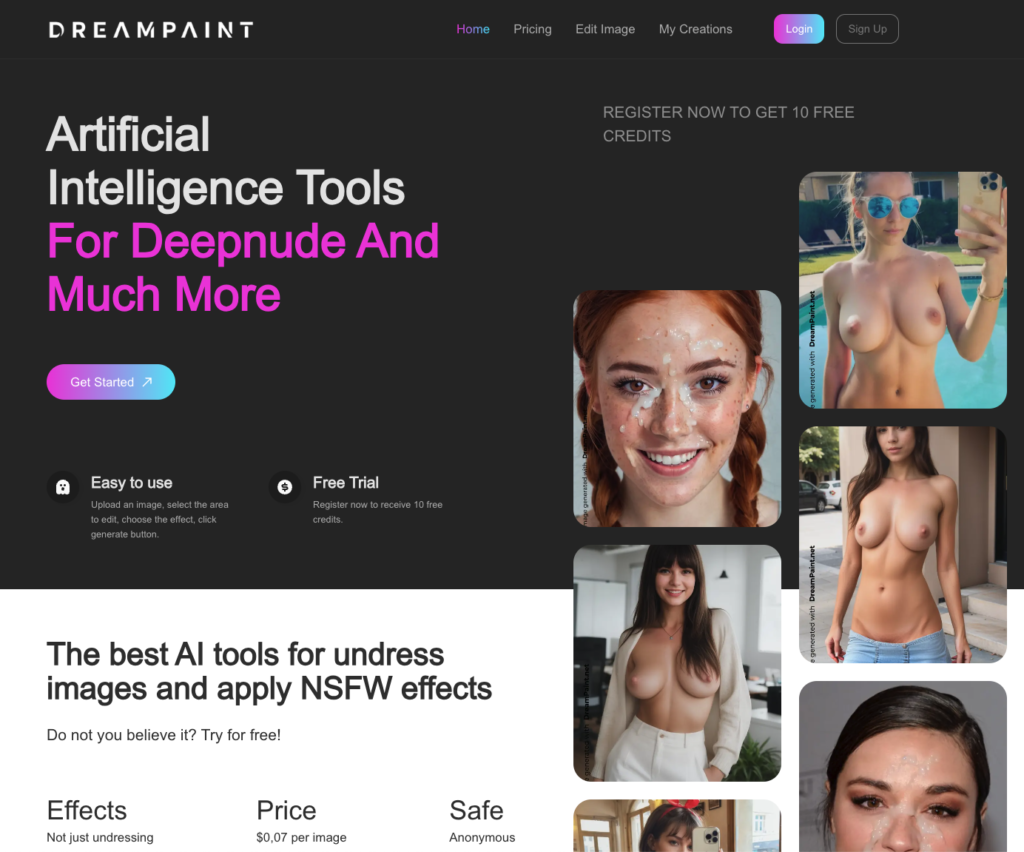
Something curious is happening at the edge where technology meets intimacy. Artificial intelligence is no longer content to sit quietly in the background—it is beginning to shape how desire looks, how it behaves, and how it responds. And in this shifting terrain, one tool stands apart: not an AI that invents strangers, but an AI that understands, preserves, and transforms the face you already desire. This is the quieter revolution not algorithmic generation, but algorithmic collaboration. The rise of sensual algorithms reflects this shift: AI is moving beyond simple content generation and becoming a more personalized part of how digital desire is created and experienced.
What AI Really Understands About Your Fantasies
The idea of machines creating erotic content is old news. What is changing is how precise and deeply personal the result has become. The most advanced platforms are not built on text prompts that risk producing a different face every time. They are built on the mechanics of transformation: analyzing the specific structure of an uploaded image—the angle of a hip, the way light breaks across a collarbone, the exact geometry of a face—and applying effects that respect that anatomy.
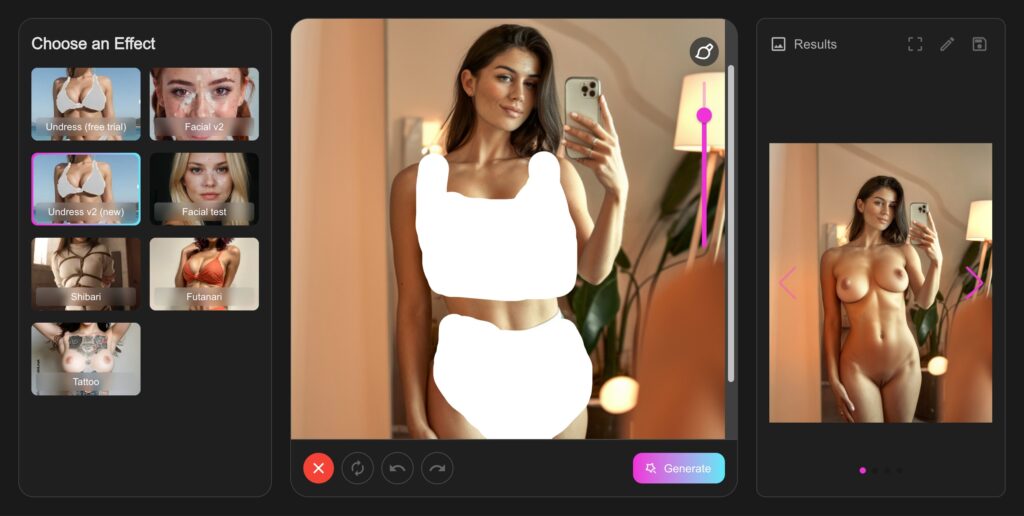
This is where Dreampaint differs. When you upload a photo, the AI does not reach for a statistical average of what an attractive person might look like. It studies your subject. It learns how fabric drapes over that specific shoulder, how skin reacts to shadow at that particular angle. The effects it applies are localized: Undress, Breast Release, Full Naked, Blowbang, Cum on Face, Glory Hole. Each one is a surgical alteration around an identity that never wavers. The result is not a synthetic fantasy that could belong to anyone. It is your fantasy, using the exact features you selected.
Professionals in the adult space are using this for creative control. A cam performer can test a new aesthetic, a body modification, or a visual theme without booking a studio session. But the tool works just as powerfully for the individual. It transforms a photograph they already treasure into a private library of possibility. The AI becomes not just a tool, but a collaborator that understands what you want before you have to explain it.
Why Consent Still Matters in Simulated Intimacy
Just because AI can generate a body does not mean ethical boundaries dissolve. When an image is yours—when the face in the frame belongs to someone real consent is foundational. This is precisely why editing software holds an advantage over indiscriminate generators. You are not training a machine on a thousand anonymous faces. You are working with one specific photograph, one chosen subject, one deliberate act of creation.
Ethical platforms are bringing standards to this new space. Real-life models and creators decide how their data is used, what parts of their image are reproduced, and how the final presentation will look. Non-consensual deepfakes have caused real emotional and legal damage, and the response is a movement toward traceability and transparency. Some independent creators now build AI versions of themselves, licensing them through subscription platforms. Their identity is not erased by automation, it is extended, with consent drawing the line between creation and exploitation.
When Sensuality Becomes a Personalized Interface
Imagine a tool that does not merely suggest content based on your past clicks, but understands the specific shape of your desire. Not just what you want, but who. That is where the industry is heading—into hyper-personalization. But it is already here in a more immediate form.
The user is the co-creator. You choose the base image. You select the effect. And You decide how far the transformation goes. The AI responds to that direction in real time. This is not the pre-recorded scene you passively watch; it is a series of decisions you actively make. You adjust the pose, the intensity, the setting. The fantasy is unfolding under your command.
This creates a deeper sense of ownership. The moment you click “generate,” you are not consuming someone else’s creative choice. You are witnessing your own. The intimacy comes from that authorship, from having guided a digital entity to produce exactly the vision in your head.
The New Stage for Independent Creators
There is a persistent fear that AI will make human performers obsolete. The data tells another story. Adult entertainers who adopt AI-enhanced workflows—stylized recreations, batch-generated content, consistent digital versions of themselves—tend to boost both their visibility and their income. It is about scale, not substitution.
A creator with an existing following can use Dreampaint to multiply their output by a factor of ten. One afternoon of uploading base images and running effects produces a month of exclusive content. No studio, no makeup artist, no exhaustion from a physically demanding shoot. The face stays recognizable because the AI preserved it, so the audience never feels betrayed by inconsistency. Trust builds through reliability, and reliability is exactly what AI-assisted editing delivers.
This is not about replacing artists with pixels. It is about giving artists a force multiplier. They are becoming digital entrepreneurs, building identities that blend the real and the synthetic with precision and control.
The Personal Becomes the Algorithmic
Ironically, the most common critique of AI has always been its impersonality. How can a machine understand what humans find beautiful? The answer lies in the medium. When the input is your image, the machine’s understanding is scaffolded by your taste. The model holds the technical skills: how to remove fabric naturally, how to apply a cumshot overlay with realistic physics, how to turn a still into a five-to-seven-second clip where the logic of the body holds from frame to frame.
But the director, the selector, the one who decides what gets generated and what gets kept—that is you. The algorithm has become a mirror for your own imagination. You are not submitting to the machine’s idea of beauty; you are teaching it, with every upload and every choice, what yours is.
Privacy as the Foundation of Intimacy
A fantasy only carries power when it feels safe to hold. Dreampaint builds safety into its architecture. Every uploaded image is automatically deleted after 48 hours, along with every generated output. No private library sits permanently on a server, waiting to resurface in a moment you least expect. Payments, too, honor the same principle. Solana, Tron, and Litecoin settle transactions without attaching your name. Exodus wallets keep your banking trails invisible. The entire system treats your privacy as a default and your consent as the starting point.
This matters because the language of desire is the most private language you speak. The platform you use should not remember it for you. It should process the moment, deliver the result, and disappear—leaving only the memory of the fantasy itself.
A New Grammar of Pleasure
Artificial intelligence is not killing human intimacy. It is expanding the vocabulary we have for expressing it. With tools like Dreampaint, erotic content becomes reactive, personal, and interactive. The transformation of a single photograph can be a dialogue between you and the machine, a dialogue that produces images tailored to your exact mood, values, and desires.
The result is not artificial pleasure. It is curated intimacy, grounded in consent, authorship, and creative intent. As you guide the system, teaching it what resonates and what does not, you are not just using a new tool. You are helping it learn your language, so the next session feels even more like something you would have dreamed of.
That is the quiet power of the sensual algorithm. It does not replace desire. It learns it—one image, one choice, one perfect transformation at a time.