Introduction — Rise of Personalized AI Sexual Content in 2026
In 2026, digital content consumption is increasingly shifting toward highly personalized experiences. Traditional adult media, which once followed a standardized production model, is now being replaced by platforms and systems that prioritize individual user preferences and adaptive content delivery.
This transformation is largely driven by advancements in AI-driven personalization, where algorithms and generative systems tailor content based on user behavior, interests, and interaction patterns. As a result, content is no longer static or one-size-fits-all, but dynamically aligned with personal preferences and engagement history.
Platforms such as OnlyFans and Fansly have also played a significant role in this shift by introducing creator-driven ecosystems where content is more niche-focused and directly influenced by audience demand. This has further accelerated the demand for customized digital experiences across the creator economy.
Within this evolving landscape, terms like ai sexual content, ai sex content, and adult content ai are increasingly used to describe how artificial intelligence is influencing personalization trends in digital entertainment. This marks a broader transition toward content systems that are not only user-centric but also continuously adaptive to individual expectations.
How Adult Content Consumption Has Evolved Over Time
Over the past decade, adult content consumption has undergone a major transformation, moving from traditional media formats toward more dynamic, platform-based ecosystems. Earlier models were largely centralized, where content was produced and distributed in a fixed, one-directional format with limited user interaction or personalization.
With the rise of digital platforms, this model shifted toward subscription-based systems, most notably represented by platforms like OnlyFans. This introduced a new subscription economy where creators could directly monetize their audience, while users gained access to more niche and creator-driven content experiences.
At the same time, algorithm-driven personalization became a key factor in shaping user behavior online. Platforms began analyzing viewing patterns, engagement history, and preferences to recommend highly relevant content, making discovery more personalized and efficient.
As a result, user behavior has significantly changed. Instead of passively consuming generic content, users now expect tailored experiences that align closely with their interests. This shift reflects a broader evolution in digital media consumption, where personalization and platform-based ecosystems have replaced traditional one-size-fits-all distribution models.
Why Users Prefer Personalized AI Sexual Content
One of the main reasons users are shifting toward personalized digital experiences is the difference between customization and generic content. Traditional media often delivers the same material to all users, regardless of personal interest, while modern platforms allow highly tailored experiences that feel individually relevant.
Personalized systems provide a stronger sense of control over the experience. Users can indirectly influence what they see through behavior, preferences, and engagement patterns. This creates a more interactive environment compared to passive consumption models.
Another important factor is emotional satisfaction. When content aligns closely with personal preferences, it creates a stronger emotional response and higher engagement levels. This is especially relevant in digital ecosystems where ai sex content is increasingly shaped by user-driven interaction patterns.
Finally, niche preference fulfillment plays a key role. Instead of broad categories, users can now access highly specific content types that match their exact interests, making ai sexual content more appealing than traditional one-size-fits-all media.
Psychology Behind AI Sexual Content Consumption
The increasing popularity of personalized digital experiences is closely linked to psychological reward systems in the human brain. One of the most important mechanisms involved is the dopamine reward system, which is activated when users receive content that matches their expectations or interests.
Instant gratification behavior is another major factor. Modern users are accustomed to fast, immediate content delivery, and AI-driven systems fulfill this demand by reducing waiting time and increasing relevance.
Fantasy personalization also plays a significant role. Users often engage more deeply with content that reflects their personal imagination or preferences, making the experience feel more immersive and engaging.
Over time, these systems can contribute to habit-forming digital consumption patterns. As algorithms continuously adapt to user behavior, engagement becomes more consistent and predictable.
This is where terms like ai sex content and ai sexual content are often used in research discussions to describe how AI-driven personalization is influencing digital behavior at scale.
Role of Platforms Like OnlyFans, Fansly and Similar Ecosystems
Platforms such as OnlyFans and Fansly have significantly changed how digital content is distributed and monetized. They introduced a direct creator-to-user model that removes traditional intermediaries and allows more personalized interactions.
These platforms operate on a subscription-based structure combined with niche content delivery. Users subscribe to specific creators based on interest, which naturally leads to more targeted and personalized content consumption.
One of the key reasons users prefer these ecosystems is the creator-driven nature of the content. Unlike traditional studio-based production, content is more personal, adaptive, and influenced by direct audience feedback.
This shift represents a broader movement away from studio-controlled production toward a more flexible personal content economy, where creators have full control over output and engagement.
Why Traditional Adult Media Is Losing Engagement
Traditional adult media is gradually losing engagement due to several structural limitations. One of the main issues is the lack of personalization. Content is produced for mass audiences rather than individual preferences, which reduces relevance.
Another challenge is content repetition. Many users experience similar formats and themes repeatedly, which reduces long-term engagement and interest.
Additionally, traditional models offer little to no user control. Viewers cannot influence content direction, which makes the experience passive rather than interactive.
Finally, traditional systems are slow to adapt compared to AI-based platforms. In contrast, modern personalized systems evolve quickly based on user feedback and behavior patterns, making them far more dynamic.
Rise of AI-Driven Personalized Content Systems
The digital content landscape is increasingly shifting toward AI-driven personalization systems. These systems use behavioral data and interaction patterns to deliver highly relevant content experiences.
Personalized recommendation systems are now widely used across digital platforms, influencing what users see and how they engage with content. This trend is also impacting broader entertainment categories, including adult content ai ecosystems.
At the same time, there is growing demand for customized digital experiences that adapt in real time. Users expect content to evolve with their preferences rather than remain static or generic.
From Consumption to Creation — The New Creator Shift
One of the most significant changes in 2026 is the shift from passive consumption to active creation. Users are no longer just consuming content; many are now participating in its creation using AI tools.
AI systems have made content generation more accessible, allowing individuals to produce high-quality outputs without technical expertise. This has led to the rise of a solo creator economy, where individuals can operate independently without large teams.
Workflow automation plays a key role in this shift. Tasks such as content generation, variation creation, and scheduling can now be handled efficiently through AI systems, reducing manual effort and increasing scalability.
How Platforms Like Dreampaint Fit Into This Ecosystem
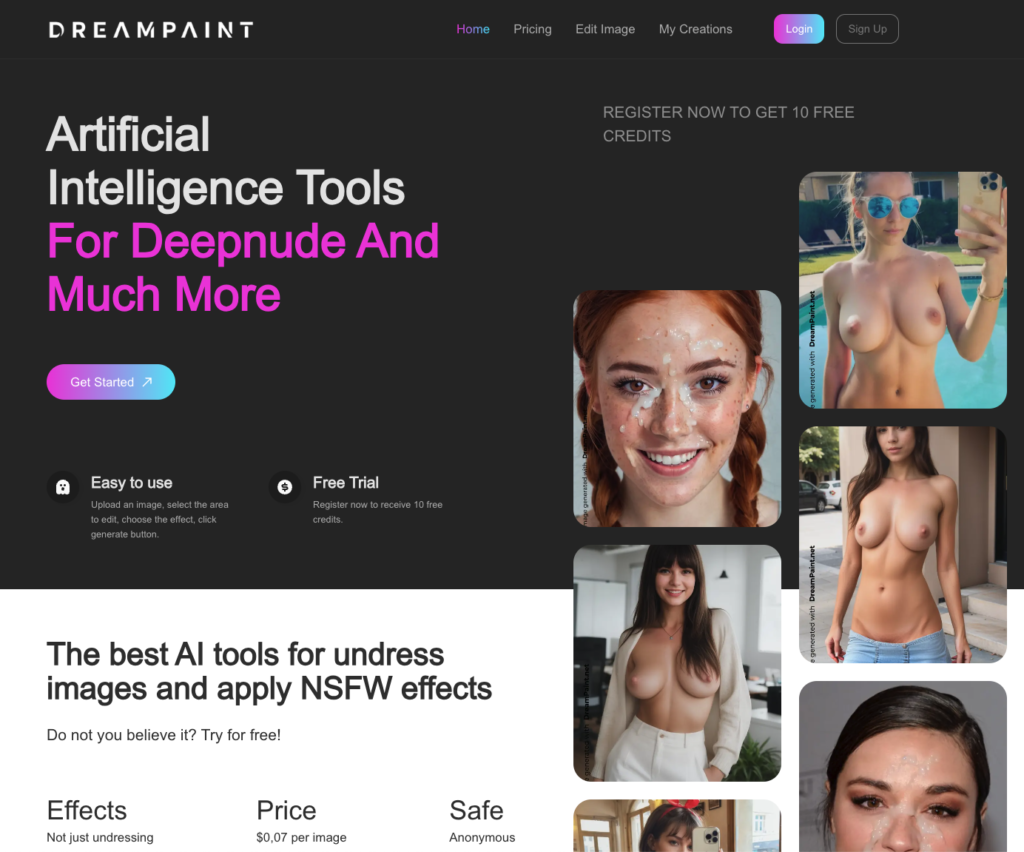
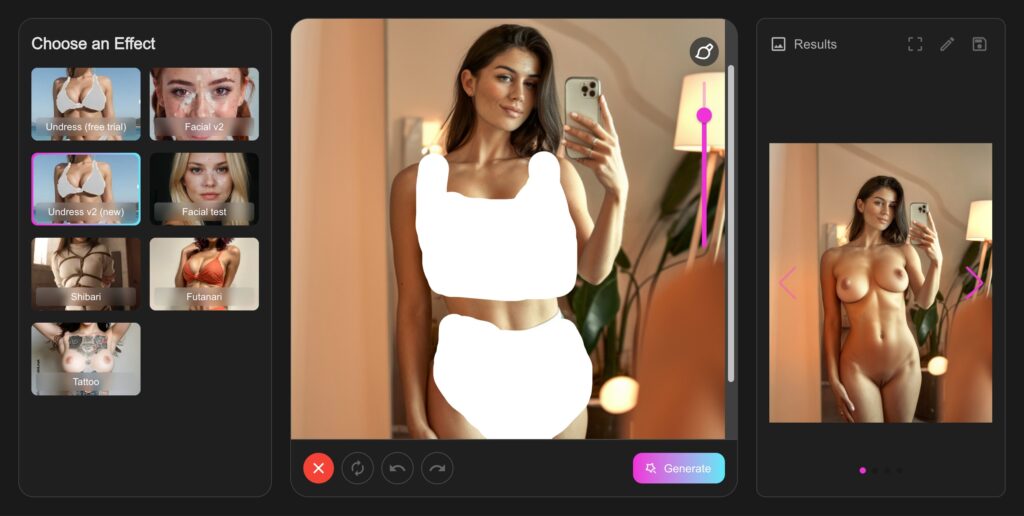
In this evolving ecosystem, AI-based content creation tools play an important role in simplifying production workflows. Platforms like Dreampaint enable users to generate and manage visual content efficiently without requiring advanced editing skills.
These tools offer easy-to-use workflows that help creators produce content quickly and consistently. One of their main advantages is the ability to scale content production without technical barriers, making them suitable for beginners as well as advanced users.
Dreampaint also acts as a bridge between AI-generated content and the growing creator economy, allowing users to transform ideas into usable digital outputs with minimal effort.
Future of Personalized AI Sexual Content in 2026 and Beyond
The future of digital content is expected to move toward full automation and hyper-personalization. AI systems will increasingly generate content that adapts in real time to individual user preferences.
We are also likely to see deeper integration of AI with creator-driven ecosystems, resulting in a hybrid economy where both automation and human creativity coexist.
As personalization continues to evolve, niche content markets will expand further, offering highly specific and targeted experiences across digital platforms.
Final Thoughts
The evolution of ai sexual content, ai sex content, and adult content ai reflects a broader transformation in how users consume and interact with digital media. The shift from generic content to highly personalized systems is being driven by both psychological factors and technological advancements.
As personalization and AI automation continue to improve, the gap between traditional media and modern digital ecosystems will continue to grow. For creators and platforms, this represents a major opportunity to build more efficient, scalable, and user-focused content systems in the future.