Kissing AI and the Sudden Rise of Digital Intimacy
In recent years, social media has helped kissing AI spread quickly across digital spaces, strongly influenced by the rise of AI Kiss based creative platforms. AI-generated romantic images attract attention because they trigger emotion, curiosity, and surprise. People enjoy seeing intimate moments in visual form, especially when the results look personal and expressive. Virtual affection feels safe because users can explore emotional scenes without real-world pressure. Fantasy plays a strong role here. Many users feel curious about how AI can visualize romantic ideas that would never happen in real life. This mix of imagination and emotional appeal makes kissing AI highly shareable and easy to adopt as a creative habit.
As interest grows, many users are actively searching for an AI kissing generator that can turn simple images into emotionally expressive scenes. The demand is no longer limited to experimental art; people now want tools that can deliver realistic, personalized romantic visuals with minimal effort.
The popularity of kissing AI also reflects how digital life now connects with real emotional needs. As people spend more time online, they look for tools that offer warmth and connection, even in visual form. These AI-generated moments do not replace real relationships, but they provide a space for creative and emotional expression. Over time, this has helped kissing AI move from a niche experiment into a mainstream concept. What once felt unusual now feels like a normal part of modern digital culture, where technology and emotion naturally intersect.
Why Kissing AI Went Viral So Fast
One major reason kissing AI spread so quickly is the easy access to modern AI tools. People no longer need technical skills or complex software to create engaging visuals. With simple steps, users can turn ideas into emotional scenes within seconds. This low barrier to entry encourages experimentation. At the same time, many users want to visualize their imagination instead of just thinking about it. Romantic visuals satisfy that desire because they turn abstract feelings into something visible. When users see how easily AI can create expressive moments, they feel motivated to try it themselves and share the results.
Another strong factor behind the viral growth of kissing AI is the shareability of romantic content. Emotional visuals naturally perform better on social platforms because people react to feelings faster than to plain images. Kissing-based AI content often receives more attention than standard AI art because it feels personal and emotionally charged. Viewers stop scrolling when they see emotion on screen. This reaction leads to more likes, comments, and shares. Emotional content spreads quickly because people relate to it on a human level.
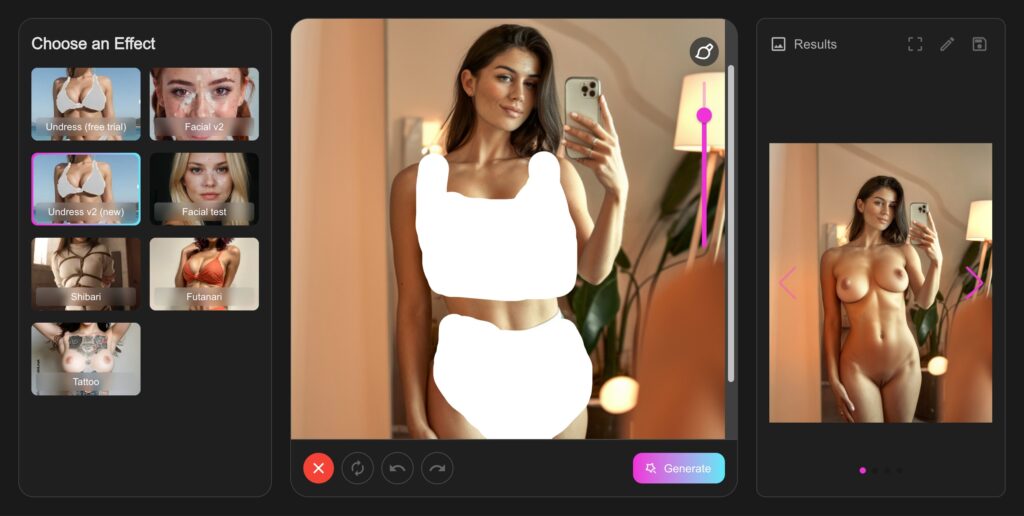
Accessibility becomes even more powerful when users can test a platform without financial pressure. For example, DreamPaint offers 10 free credits after signup, allowing new users to explore its features before making any payment decision. This try-before-you-pay approach reduces hesitation and builds trust, especially for first-time users who want to evaluate realism and performance firsthand. By removing upfront risk, platforms that offer free testing naturally encourage faster adoption and organic sharing.
How Digital Romance Is Quietly Changing Human Behavior
People now connect emotionally with virtual moments more easily than before. Digital spaces feel familiar, and users spend a large part of their daily life online, where the benefits of AI kissing features extend into emotional and creative expression. When they see romantic visuals created by AI, the brain still responds with real emotion. Even though the moment is virtual, the feeling it creates can feel personal. This emotional response shows how digital affection can trigger genuine reactions. Over time, these small emotional experiences shape how people view intimacy in online environments. They begin to accept digital romance as a normal form of emotional expression instead of seeing it as something unusual.
Many users prefer safe digital intimacy because it removes real-world pressure and social awkwardness. In physical settings, expressing affection often feels complicated or risky. Digital tools offer a private space to explore emotions without fear of judgment. This comfort makes virtual romance feel more approachable. Kissing AI plays a role in this emotional exploration by giving users a simple way to visualize romantic moments in a controlled setting. While it does not replace real relationships, it helps people understand their emotional responses in a low-pressure environment.
Why Single-Image Kissing AI Feels More Natural Than Two-Photo Tools

Many people misunderstand what kissing AI means on modern platforms. On some websites, users must upload two separate photos and wait for the system to merge them into one scene. This process often creates visual conflicts because lighting, angles, and facial expressions do not match. In contrast, platforms that use a single-image approach work with a photo that already includes two characters in the same frame. The AI does not need to force a connection between unrelated images. It simply refines the moment that already exists. This method helps preserve natural proportions, facial identity, and emotional consistency.
Unlike a basic romantic AI image generator that simply overlays effects, a realistic AI kiss creator focuses on preserving facial structure, lighting harmony, and emotional consistency. This technical refinement is what separates natural-looking results from artificial compositions that break immersion.
The single-image approach improves realism because the scene already has a natural emotional flow. The AI enhances expressions instead of replacing them, which makes the final result feel more authentic. Two-photo tools often look artificial because the system must invent harmony between separate sources. Small visual mismatches can break immersion and reduce emotional impact. When users work with one image, the result feels smoother and more intentional. This is why many people experience more natural outcomes with single-image kissing AI.
Is Kissing AI Creating Emotional Attachment or Just Visual Fun?
Most people use kissing AI for simple entertainment and creative exploration, but emotional reactions can still appear over time. Visual fantasy can trigger real feelings, even when users know the scene is not real. This difference between imagination and emotional connection matters because it helps people set healthy boundaries. When users treat AI-generated romance as a creative outlet instead of a replacement for real interaction, the experience stays balanced. Seeing kissing AI as a tool for imagination allows people to enjoy the visuals without confusing them with real emotional relationships.
Kissing AI as a Private and Personal Digital Experience
Many users prefer private tools because they want to explore creativity without outside pressure. Digital romance feels more comfortable when it stays personal and controlled. A private space allows people to test ideas, imagine moments, and express creativity without worrying about judgment or public reaction. This pressure-free experience helps users feel safe while working with AI-generated visuals.
For many users, an AI romance tool or AI intimacy app becomes a controlled environment where creativity and emotion can be explored safely, without social pressure or public exposure.
When people avoid public sharing, they gain more freedom to explore their imagination honestly. Privacy also shapes the future of kissing AI, as users increasingly expect secure and personal environments for creative expression.
The Future of Kissing AI in Digital Relationships
Short-Term Hype vs Long-Term Digital Romance
Some people see kissing AI as a short-term trend driven by curiosity and viral culture. New tools often attract attention quickly, but interest fades when the novelty wears off. However, digital romance continues to evolve with user behavior. When a tool offers consistent realism and emotional value, people return to it over time. This shift turns short-term hype into a sustainable habit. As AI romance improves, users will likely treat it less as a viral experiment and more as a regular creative outlet.
Will AI-Generated Intimacy Become Normal?
As digital interactions become part of everyday life, people grow more comfortable with AI-based romantic visuals. What once felt unusual now feels familiar. Over time, society may view digital intimacy as a normal form of expression rather than a strange concept. This change will not replace real relationships, but it can coexist with them. When people understand the boundaries between virtual moments and real emotions, AI-generated intimacy becomes easier to accept. This gradual normalization reflects how digital culture shapes emotional expression.
How Platforms Like DreamPaint Fit Into This Future
Platforms that focus on realism and simplicity fit naturally into the future of digital romance. Single-image kissing AI supports natural results because it enhances moments that already exist in one frame. Users prefer experiences that feel smooth and believable instead of forced or artificial. Simple tools that respect visual integrity can build long-term trust. As people move away from exaggerated effects, realistic and easy-to-use platforms will shape how digital romance tools evolve.
Conclusion: Trend Today, Digital Romance Tomorrow
Kissing AI is more than just a fleeting trend, it marks the beginning of a new phase in digital intimacy. By focusing on single-image uploads, users experience natural, realistic interactions that preserve emotional flow and visual consistency. This approach not only enhances creative exploration but also prioritizes privacy and safety, addressing core user expectations. As digital romance continues to grow, platforms that combine realism, simplicity, and personal control, like your website, are well-positioned to lead this future, offering a foundation that feels both engaging and trustworthy for long-term use.